FOUNDATIONS · START HERE
The Blood of Dawnwalker Beginner Guide
The safest way to start is to treat time as a route resource, not a background clock. This guide explains what to protect in the opening hours, when to use Coen's human or vampire side and how to avoid spending a day on a task that could wait.
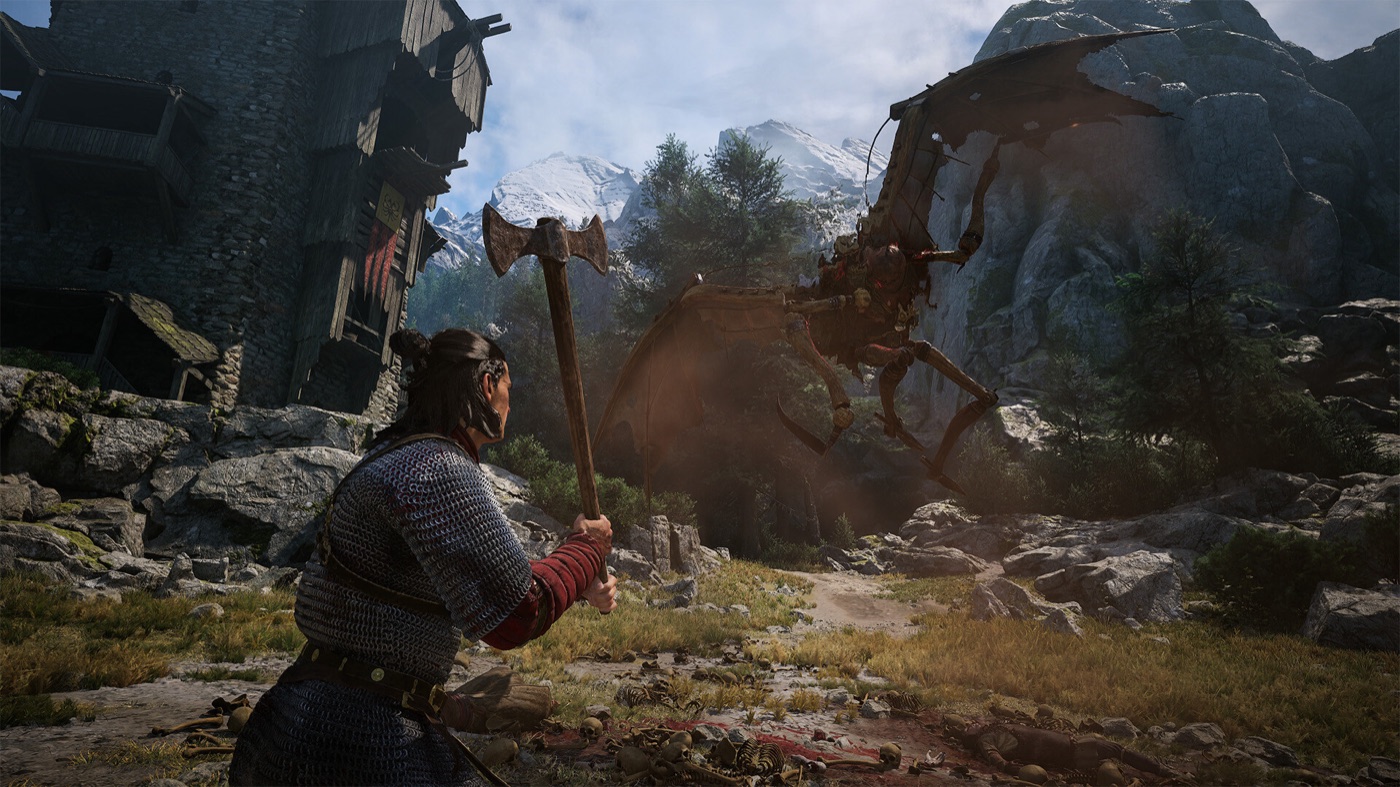
Finish the Prologue checklist before you start wandering, keep a manual save before major choices, and decide what the current day is for before you accept another activity. The world is open, but your time is not.
What to know before the first quest
The Blood of Dawnwalker is an open-world dark fantasy action RPG set in 14th-century Europe. You play Coen, a Dawnwalker whose human and vampire sides create different ways to move through the world. The important beginner distinction is not “good time versus bad time”; it is that daylight and night make different actions safer, faster or possible.
The game also asks you to make decisions under a visible deadline. The launch route is commonly described around a 30-day family clock. You do not need to sprint through every conversation, but you should stop treating every chest, detour and fight as free. A route that is technically possible can still be a poor route if it consumes the window you needed for a timed quest.
How to spend time without losing options
Use this three-question check before you leave a settlement:
- What is the task asking me to protect? A person, a quest window, a boss preparation route or simply loot?
- Does it need daylight or night? If the task has no time preference, choose the side that makes the travel and encounter safer.
- What is my next stop? Group nearby objectives instead of crossing the map for one reward.
| Situation | Good default | Why it matters |
|---|---|---|
| Opening Prologue | Follow the checklist before exploring widely. | Several early objectives are time-sensitive or missable. |
| New settlement | Mark vendors, routes and nearby objectives first. | A short scouting pass prevents repeat travel. |
| New Court Activity | Read the cost and reward before accepting. | Activities are useful for progression, but they are not free. |
| Before a major choice | Make a manual save and write down the intended outcome. | Names can look similar after several conversations. |
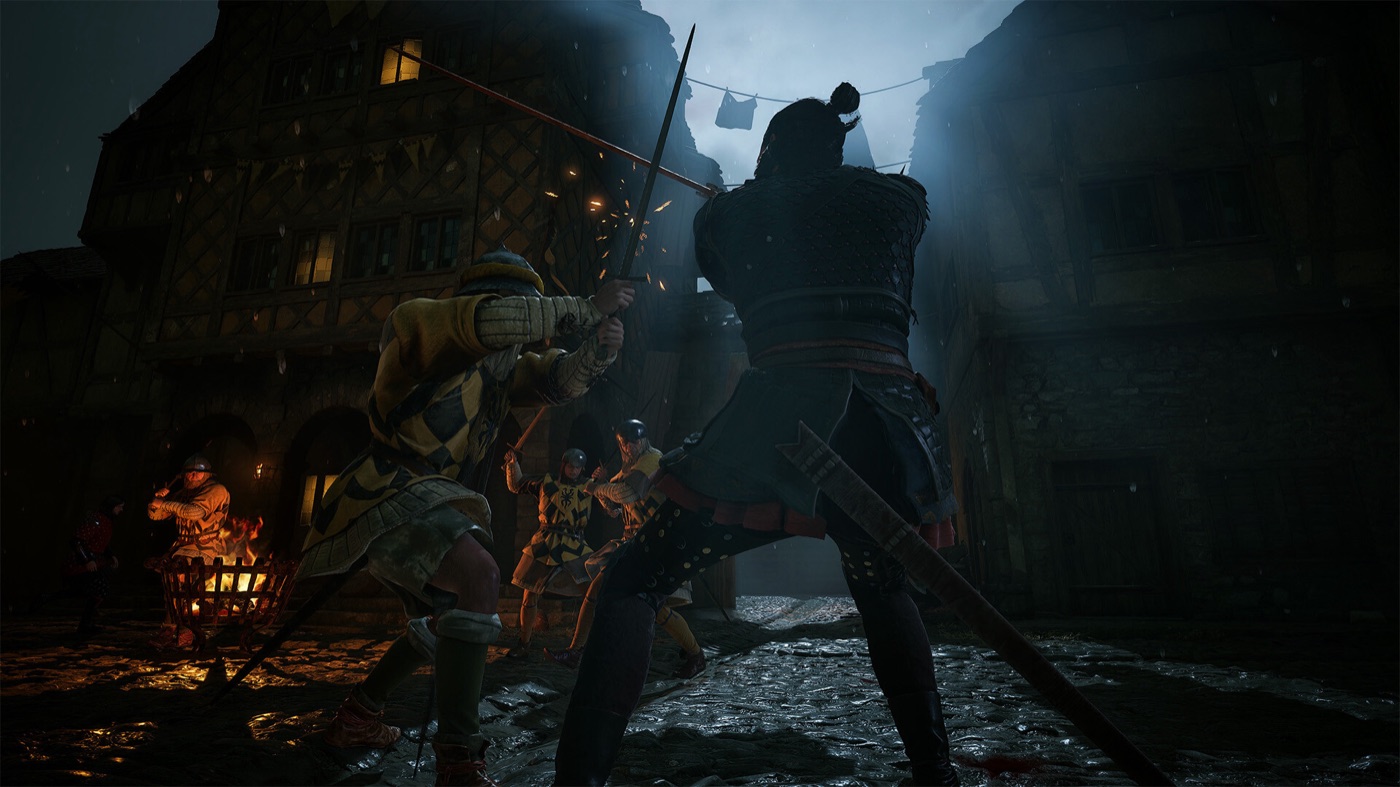
Day and night: choose a mode before you choose a fight
Coen's two sides are not merely cosmetic skins. The human-by-day and vampire-by-night split changes the abilities, risks and routes available to you. When a guide says “do this at night,” it should mean the route is materially better—not that every night activity is mandatory.
Use daylight for preparation
Handle conversations, planning and human-facing tasks while the settlement is easy to read. Use the time to set up the next route instead of starting a distant fight with no exit plan.
Use night for pressure
Choose the vampire side when its abilities or the darkness make an encounter worth the risk. Enter with a clear objective; do not let a successful fight turn into an unplanned tour of the map.
A safe first-route checklist
Read the Prologue as a checklist
Open the Prologue Walkthrough before you leave the opening area. Finish the tasks you care about, then save before the next irreversible conversation.
Resolve Esme's immediate problem
The medicine objective is a useful early test of the game's item and timing logic. Do not postpone it while you chase an unrelated landmark.
Scout one connected area
After the opening, learn the nearest safe route, vendor positions and one nearby objective. You are building a map of options, not trying to reveal the whole world in one day.
Choose one Court direction
When the Court system opens, pick a vassal route and complete nearby activities together. The Court Activities guide has the full reference and a safer order.
Return to the main route with a reason
Before moving to the next region, ask what you are gaining: a key, a skill, a relationship, a boss opening or just a little more loot. If the answer is only loot, it can usually wait.
Combat habits that prevent wasted days
- Read the encounter before committing. A narrow street, a dark interior and a crowded market each hide different threats. Pull enemies into space when you can.
- Do not learn a new ability during a timed detour. Test it near a safe route first, then take it into a quest where failure will not burn your only window.
- Use the direction-based guard and attack tools deliberately. The opening tutorial introduces the Omni system; the goal is not to mash faster, but to read the incoming direction and keep your escape available.
- Save before a long run. If a fight or traversal section has no obvious reset point, a manual save is cheaper than repeating an entire time-sensitive route.

Five beginner mistakes to avoid
| Mistake | Better habit |
|---|---|
| Exploring every road before checking the Prologue | Finish the opening checklist, then explore in connected loops. |
| Accepting every activity immediately | Read the time cost, reward and location first. |
| Assuming a “choice” is only dialogue flavor | Save before it and record who benefits from each outcome. |
| Spending an ability point just because it is available | Pick a first build direction; the skills page will be added after live verification. |
| Leaving all saves to autosave | Keep manual saves before the Prologue exit, Court commitments and final preparation. |
Public launch coverage disagrees about how skill respec works. Until that behavior is confirmed in the live game, build as if early points matter and avoid promising a free reset.
Verification note Release and high-level mechanics are checked against the official Steam record and publisher material. Quest routes are live guide data and will be tightened as independent play verification is completed.